Let me tell you, this is not your regular fairy book review (and yes, I’ve read more than I care to admit). If your idea of fun is bickering siblings, weird creatures, and finding mysterious stuff where you least expect it, you’re in the right place. After wrangling my friends for some group reading mayhem, I’ve got thoughts—good, bad, and mildly embarrassing—about Spiderwick. If you’re thinking about picking up this little magical misadventure, stick around for the full scoop. I promise to keep it honest, funny, and short enough so you won’t miss dinner.
Steve Reviews ‘The Spiderwick Chronicles’
In a nutshell
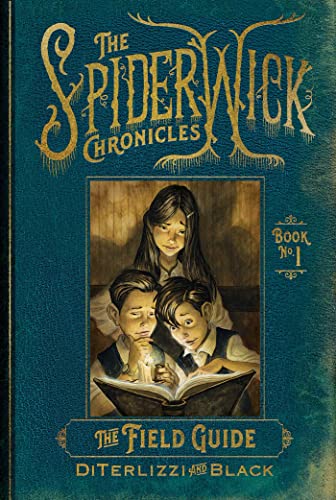
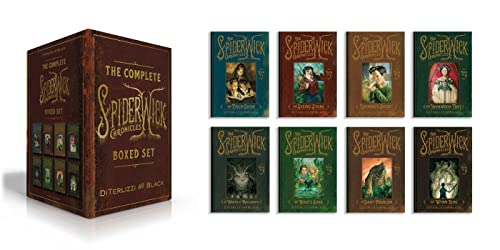
‘The Spiderwick Chronicles’ is a fantasy book series by Holly Black and Tony DiTerlizzi. It’s packed with magic, adventure, and more than a few strange creatures hiding in the walls. The books follow three siblings as they move into a strange old house and stumble across a mysterious field guide.
Big themes are teamwork, family drama, and the classic ‘should I open this weird old book?’ moment that every kid dreams about (even though in real life, the answer should always be ‘no’). It’s a fun, easy read that mixes magical fun with some real-life family stuff.
Spiderwick: Sibling Drama and Family Dynamics Done Right
If you think your siblings are a handful, try moving with them into an old, creaky house full of secrets. ‘The Spiderwick Chronicles’ takes the chaos of family life and adds faeries, goblins, and the kind of sibling fights that would make even my own brother look tame. I’ve had my share of arguments over the TV remote, but at least no one tried to pin the blame for a missing brownie on me! The Grace siblings – Jared, Simon, and Mallory – show how love and loyalty can survive the wildest of times, even if those times include invisible creatures and things disappearing from your sock drawer.
The book gets family bickering spot on. Jared feels misunderstood, Simon just wants peace (and maybe a new pet), and Mallory, well, she’s armed with a sword and a lot of sarcasm. When my friends and I chatted about the book, we agreed: the siblings act like real kids, not perfect heroes. Each one has a unique way of handling family drama, and that gives the story a nice, down-to-earth start—even if the ground starts to shake with faerie mischief.
Of course, not every moment sparkles. Sometimes the parents feel like background extras. Their mom, Helen, worries a lot and seems to be the only person in the world who hasn’t noticed the house is about as safe as a haunted amusement park. But honestly, what parent would believe “the pixies did it” as an excuse for a mess?
Get ready, because in the next section, I’ll tell you all about the magical creatures and world-building—the real stars who make Spiderwick’s world so weird and wonderful that you’ll want to check under your bed at night!
Unleashing the Magical Zoo: Creatures and World-Building in Spiderwick
If you ever wanted a book where you worry a brownie might eat your socks at night, Spiderwick is the one. Holly Black and Tony DiTerlizzi must have had a secret portal to goblin land because these creatures feel like they could jump out and nick your lunch money. The world-building in Spiderwick is like that box of random stuff we all have under our beds—full of surprises, a little messy, yet always exciting.
The authors did not just toss in a fairy here and a troll there. No, no. They gave us field guides, ancient maps, and rules for dealing with each magical menace. There’s a layered feeling to the world. Even when the kids are running from a spiteful hobgoblin or peeking into thickets, it’s like the woods outside your house could be hiding a creature with too many eyes. I laughed when one of my friends refused to walk past a bush after reading about the goblins. That is what Spiderwick does; it throws you into the wild without a helmet and hopes you’ve packed snacks.
But all this magic sometimes gets a bit much—the book can feel crowded, and I wished for more time with a few of the cooler creatures. Still, that’s a good problem to have. You want more of the madness!
So, if you like your adventure with a side of “what the heck was that,” Spiderwick delivers the goods. Next up, let’s talk about the book’s look: from drawings to paper—ready your eyeballs, because we’re venturing into the land of illustrations and design quality!
Illustrations and Book Design: Spiderwick’s Secret Weapon
If you ever wished your books had more doodles and less boring, Spiderwick is about to rock your socks. Seriously, these illustrations are not just decorations—they feel like part of the adventure. Tony DiTerlizzi must have eaten a magical marker for breakfast, because every page has artwork that makes you want to look for faeries under your couch. My friend Dave (who claims he hates books) spent several minutes gawking at the pages. It almost made me forget he once tried to draw a stick figure and made it look like a potato.
The book’s design has a charm you don’t see often. The pages aren’t overloaded, so you never feel squished. There’s a mysterious look to the borders and chapter headings. You can tell the creators cared about the details. Even the font has a personality—seriously, it’s bouncy and fun, not something you see every day. The best part is, the artwork isn’t just stuck in the middle or at the edges. It sneaks up on you, sometimes in full glory, sometimes as little hidden sketches, which makes flipping the pages more fun than a backyard bug hunt.
But it’s not all perfect. Sometimes I wanted even more pictures (greedy, I know). Some of my pals wished a few scenes got bigger illustrations because, well, goblins deserve the spotlight too. Still, Spiderwick nails the mix between story and art, making you wish all books tried this hard.
Up next: pacing and how easy Spiderwick is for young readers—so grab your bookmarks and stretch your reading muscles!
Pacing and Accessibility: Can Young Readers Keep Up With Spiderwick?
Alright, let’s talk turkey—or, in this case, Spiderwick. If there’s one thing a book can do to fry my brain, it’s dragging things out. Spiderwick, though, pulls the opposite move. The action zips along faster than my old dog when he hears the treat bag. Pages fly by—sometimes too fast! One minute, you’re walking in a creepy attic, and the next you’re dodging a goblin. I played through this with my nephews, and even the easily distracted one stuck around, so that’s saying something. There’s not a lot of waffle or filler—Spiderwick keeps it lean, snappy, and focused on the adventure.
For young readers, this is mostly a win. The chapters are short and the writing is pretty clear. Even kids who aren’t big readers can jump in without needing a dictionary in one hand and a flashlight in the other. The font is friendly, the chapters end with just enough suspense to keep everyone awake, and the language stays simple (meaning no tricky tongue-twisters or words you’d need three adults to pronounce).
But, a quick word of warning: The speed can mean important details get left behind if you blink. My niece missed a clue about the goblins and ended up completely confused. Some slower readers might feel rushed. Also, some scary scenes pop up quicker than a jack-in-the-box. Sensitive kids might need an adult to calm their nerves or hide behind, just for a minute.
So, do I recommend Spiderwick for young readers? Absolutely—just don’t be surprised if you finish faster than a pizza at a birthday party. It’s fun, exciting, and doesn’t overstay its welcome. Give it a shot!
Conclusion
And that’s a wrap on my Spiderwick review! If you like wild magical creatures, moody siblings, and books you can finish before your snack gets cold, Spiderwick is a fun pick. The art is a real treat for the eyeballs and the story moves fast, even if you sometimes feel like you need a magical field guide just to keep up. It’s not perfect—some bits are a bit confusing or dark for tiny readers, but overall, it’s a heck of a good time, especially if you read with friends and laugh at the goblins together. I say try it out, but maybe keep an eye out for faeries in your sock drawer.