
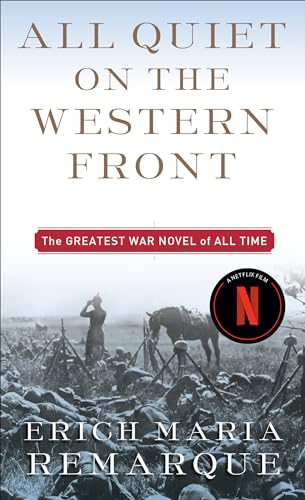
Welcome, fellow bookworms, to my review of All Quiet on the Western Front. I picked up this classic thinking it would be all old-timey drama and maybe some fancy uniforms. Turns out, it’s more mud, madness, and missing boots than medals and glory. If you’ve ever wanted to know what it’s really like to be stuck in a trench, making friends with rats, this is the book for you (or maybe your weird uncle who collects army stuff). Grab some tissues and maybe a snack, because this review will take you through the highs, the lows, and the very muddy middles of one of the most honest war stories ever written.
In a nutsheel
All Quiet on the Western Front is a classic war novel by Erich Maria Remarque. If you like your stories dramatic, gritty, and a bit muddy, this book falls right in the historical fiction genre. It follows a young German soldier thrown into the chaos of World War I.
Themes pop up left and right. You’ll spot fear, loss, brotherhood, and a strong sense of ‘what the heck are we even fighting for?’ The book doesn’t sugarcoat war. Instead, it paints a picture that makes you want to hide under your bed and hug your goldfish. Don’t worry—no spoilers here. The heart of the story is about soldiers trying to keep their heads screwed on while the world explodes around them.
The Horrors of Trench Warfare: As Told in ‘All Quiet on the Western Front’
Picture this: you’re knee-deep in mud, the rain is coming at you sideways, and there’s a rat chewing on your last sock. Welcome to trench warfare, the star of many nightmares and a big, soggy character in ‘All Quiet on the Western Front.’ Remarque doesn’t sugarcoat anything—thanks, Erich. If you want glamor, stick to ballroom dancing. This book shows war as a daily slog of fear, filth, and fighting for survival, not glory.
One thing that slapped me in the face (metaphorically, but sometimes it felt real) is just how pointlessly brutal the trenches are. Paul Baumer and his pals are dodging shells, ducking gas, and losing their minds to the constant thump-thump-thump of artillery. I read this one rainy afternoon, and let me tell you, my umbrella suddenly seemed like feeble armor. The descriptions of mud pulling at your boots and the stink—oh, the stink!—made me question every camping trip I’ve ever taken.
But it’s not just the gross-out factor that hits home. It’s the sheer randomness of who lives and who doesn’t. ‘All Quiet on the Western Front’ makes you realize war isn’t fair. Friends drop like flies, sometimes in the middle of a conversation. I started the book thinking, ‘How bad could it be?’ and finished it wanting to hug every veteran I know, and maybe even my neighbor’s cat. The trenches don’t only steal lives, they shred hope and trust too.
Next up, let’s tackle how this story shows the loss of youth and innocence—because nothing says ‘coming of age’ like dodging bullets and losing your best mate over a tin of beans!
Loss of Youth and Innocence in All Quiet on the Western Front
Let me tell you, war ages you fast—like milk in the sun. In All Quiet on the Western Front, Erich Maria Remarque does not simply show war; he rips the curtain down on boyhood. Our main man, Paul Bäumer, starts off the book as a regular 19-year-old with goofy dreams and a love for poetry. He could be me at that age, minus the trench foot and the constant sound of artillery shells.
But by the halfway point, Paul and his friends feel a hundred years old. There’s a scene where Paul visits home, and it hit me right in my cold cereal-loving heart. He’s surrounded by his old life, but he can’t fit in anymore—not even with his mom’s cooking. War has robbed him of the simple joys. He can’t even chat with his childhood crush without feeling like a stranger in his own skin.
I remember once failing to catch a football pass, thinking that was the end of my youth. But Paul? He faces life and death every single day. The innocence in his eyes gets swapped for a thousand-yard stare. He and the boys can’t go back to who they were, not with all they’d seen. There’s not much sugar-coating here—Remarque hands you the truth, no sprinkles on top.
The book hammers home how war can turn the promise of youth into just another casualty. Next up: let’s see if friendship can survive all those lost dreams and muddy socks. Spoiler alert—sometimes a good pal beats a clean pair of underwear!
Brotherhood in the Trenches: Friendship Among Soldiers in All Quiet on the Western Front
Let’s talk friendship, but not the kind you have with your neighbor who keeps borrowing your rake and never giving it back. We’re talking hardcore, trench-tested, life-saving friendships. In Erich Maria Remarque’s All Quiet on the Western Front, the bonds between soldiers are stronger than coffee after an all-nighter. Paul and his comrades don’t just share muddy socks—they share everything, from terrible food to last cigarettes, and even their fears.
I remember playing cards (badly) with my friends after reading this, and every time we lost a hand, we’d joke about ‘surviving the trenches.’ But these guys in the book? They mean it. They watch each other’s backs with a kind of loyalty you usually only see in dog movies. When someone is hurt, it’s personal for all. When someone cracks a joke in the mud, it’s a lifeline, not just a punchline.
What really got me is how these friendships fill the hole left by home and family. The soldiers become each other’s support system. There’s this warmth in the book—even when bombs are falling and everyone smells like feet—that makes you wish you could buy these guys a round at the pub. Sure, the world outside doesn’t get them, but inside their group, they’re a band of brothers, no fancy uniforms needed.
So if you ever wondered what makes men stick together in the worst of times, this is it. Of course, not everything is sunshine and bromance; next up, let’s unmask the not-so-friendly faces of authority and propaganda, where the real mud starts to fly!
Authority, Propaganda, and the Art of Being Lied To (Thanks a Lot, Grown-Ups!)
Let’s talk about adults, shall we? When I was in high school, my gym teacher convinced me that dodgeball was the most important skill I’d ever learn. Well, that’s nothing compared to the wild lies fed to Paul and his buddies in All Quiet on the Western Front. The book makes it painfully clear that the main characters are sold a bill of goods by teachers, leaders, and supposedly smart people in charge. Their patriotism gets played like a fiddle by everyone too old to go fight themselves—thanks, Kantorek!
The way Remarque pulls back the curtain on propaganda is both brilliant and gut-wrenching. You see how excited these kids are at first, thinking they’re off to do glorious stuff for their country. Fast forward a few chapters: half their friends are gone, and all the glory washes away in a sea of mud, explosions and, I’d bet, some seriously bad food.
What really struck me is how the book never lets you forget who’s to blame. The guys who send the orders are never the ones catching shells. It’s like the military version of when my mom used to “help” with my science projects by telling me what to do from the couch. Only, you know, more life-or-death.
So, should you read All Quiet on the Western Front? If you want to know how propaganda and authority can mess with your head (and your life), absolutely. Just maybe avoid reading it right before a big game of dodgeball. Ten out of ten, would recommend for anyone with a pulse and a basic sense of curiosity!
Conclusion
Alright folks, that wraps up my review of All Quiet on the Western Front. This book packs a punch. It throws you into the mud, shouts in your ear, and leaves you thinking long after the last page. I laughed once or twice (mostly when the soldiers tried to cook), but let me tell you, this is no bedtime story. It’s honest, it’s gritty, and it does not sugarcoat a thing. The writing is clear and simple—perfect for those of us who get lost in big words. Sure, sometimes the sadness feels a bit much, and if you don’t like feeling feelings, maybe hide behind a pillow. But if you want a real look at war and the bonds between people, this book is worth your time. So, should you read it? Absolutely, just keep a tissue handy. And that, my friends, concludes this review!