
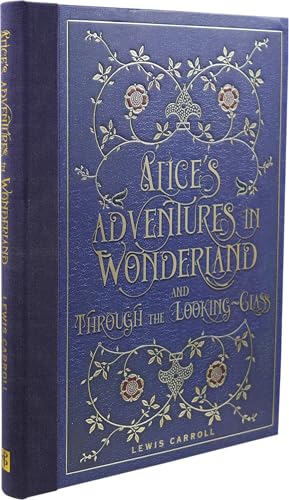
Welcome to my review of Alice’s Adventures in Wonderland—the wildest trip I’ve taken since I tried juggling eggs on a trampoline (don’t ask how that ended). This book is all about upside-down logic, wild characters, and enough puns to make your granddad jealous. Grab your seatbelt (or a jam tart), because I’m sharing what works, what’s weird, and why you might want to jump down the rabbit hole—or not. Let’s get started!
Alice’s Adventures in Wonderland: Short and Sweet
In a nutsheel
Alice’s Adventures in Wonderland is a classic fantasy story written by Lewis Carroll. It’s been making people scratch their heads and giggle since the 1800s. The book is all about a curious girl named Alice who tumbles (quite literally) into a world where nothing makes sense, and everything is possible.
This book sits firmly in the fantasy genre, with a big sprinkle of nonsense and satire. Carroll loved to poke fun at grown-ups, rules, and the idea that life has to make sense. Themes include imagination, growing up, and asking questions—even about things squirrels wouldn’t bother with.
You’ll meet wild characters, face strange rules, and visit a place where up is sometimes down, and a hat is more than just a hat. If you love a story that’s clever and a little odd, this one’s right up your alley. And don’t worry—I won’t ruin the surprises!
How Wonderland Turns Imagination Into a Real Place
Let me tell you, the first time I picked up Alice’s Adventures in Wonderland, I felt like I’d eaten something suspicious at lunch. There is no book that messes with your head quite like this one. Forget about boring towns or worlds with tiny rules. Wonderland is not just a place—it’s a wild idea party, and everyone’s invited, especially if you’re a bit odd in the noggin. Lewis Carroll must have had a bottomless hat of wild ideas. Every page, he lets his imagination loose like a pack of sugar-crazed rabbits. One minute Alice is shrinking, the next she’s the size of your grumpy uncle after a big meal. I actually tried to imagine myself falling through the rabbit hole once (don’t try this at home; turns out, the sofa doesn’t lead anywhere interesting).
What really stands out is how the world-building never makes sense—on purpose! Paths go in circles, clocks run backwards, and logic seems to have packed its bags and moved out for good. I played through the story with my friends as we read it, and every chapter turned into a contest for who could predict the next strange thing. Spoiler: none of us ever guessed right. There’s a freedom here that’s missing from those more serious books. Wonderland celebrates the unexpected, and it makes even the weirdest dreams seem possible. But if you like your stories all neat and tidy, you might get a bit seasick from all the madness.
Now, let’s tiptoe past the talking flowers and see who’s waiting: the characters in this book are wilder than a flamingo at a croquet match!
Unforgettable Characters from “Alice’s Adventures in Wonderland”
Let’s put the “mad” in “mad tea party,” folks. The oddball characters in Alice’s Adventures in Wonderland are what make the book so fun and sometimes so confusing (but in a good way—like socks that don’t match but still look great together). Lewis Carroll must have had a wild crowd at his dinner parties if he based any of these folks on real guests.
First, there’s the White Rabbit. He’s sweating about being late and, honestly, he reminds me of my Uncle Barry when he’s late for bingo. As soon as you spot him, you know things are about to get weird. Next, we meet the Mad Hatter and the March Hare. Their tea party makes every family holiday I’ve ever had look normal (and trust me, my family once tried to bake a turkey in a dishwasher). The Hatter’s riddles have no answers and the Hare’s jokes make even my dad’s puns seem clever.
Of course, you can’t forget the Queen of Hearts. She’s as dangerous as she is loud. She’s always yelling “Off with their heads!” about as often as I yell at my cat for eating muffins. Alice is the only sane one, looking around and wondering if everyone has lost their marbles. She’s like the friend who tries to keep everyone from setting the kitchen on fire during game night.
If you enjoy memorable characters that walk the line between genius and nutcase, this book delivers. Next, I’ll spill the beans on why the wordplay in Wonderland is so sharp, you might need safety goggles.
Wordplay and Clever Language in Alice’s Adventures in Wonderland
One thing that tickled me non-stop in Alice’s Adventures in Wonderland was the sharp wordplay. Lewis Carroll, the clever fellow, twists and turns everyday language until it’s almost dizzy. When my friend Tom and I tried to read the book out loud, we ended up giggling like hyenas because the words actually slip past you if you don’t pay attention. Carroll throws in riddles, poems, and puns so quickly that you sometimes wonder if he’s making up the English language as he goes.
Take the Mad Hatter’s classic riddle: “Why is a raven like a writing desk?” No answer is ever given, but that’s the point. It’s like Carroll invited readers to puzzle, laugh and feel foolish—all at once. As a poor Scrabble player, I felt personally attacked by Carroll’s spelling bee scene. You’ll find homophones and double meanings all over the place. Humpty Dumpty’s explanation of what words mean is so confusing that I had to call my cousin just to make sure I hadn’t lost my mind.
Carroll’s playful use of language isn’t just for laughs though; it keeps readers guessing and curious. I appreciate how the nonsense is never pointless. Every strange phrase or malapropism opens a window into the wacky world Alice has landed in. If you’re a fan of silly rhymes and laugh-out-loud moments, this book is a playground.
Next, I’ll be gushing about the book’s illustrations and visual style, so keep your eyes peeled—unless they fall out, of course.
Why Illustrations and Visual Style Matter in Alice’s Adventures in Wonderland
One thing you can’t skip when talking about Alice’s Adventures in Wonderland is the wacky art. Let me tell you, those old drawings by John Tenniel are a total hoot. The way he made Alice look so confused, and the Cheshire Cat grinning like he stole someone’s socks, really brought the story to life. Tenniel did not hold back with the weirdness. Every page has something odd—a giant baby, tea party chaos, or a turtle that sings (don’t ask me why; I don’t think Lewis Carroll knew either).
I read this with my niece, and she got such a kick out of the pictures! She made up her own storylines just from the art. Even my grumpy neighbor, who claims he ‘doesn’t like books,’ stopped to peek at the Queen of Hearts yelling at people. The art is so detailed, you’ll spot new things even on your tenth read. Modern editions sometimes try to redraw Wonderland, but trust me, Tenniel’s sketches are the ones you want.
The combo of wild drawings and strange words makes the book more fun for folks of all ages. But, fair warning: the old-timey art style might not be for everyone. Some kids these days want bright colors and silly memes, not black-and-white line drawings. But hey, it’s a classic for a reason!
If you like stories that are a little bonkers, with pictures that match, Alice’s Adventures in Wonderland is a must-have for your shelf. I totally recommend it, unless you’re allergic to fun.
Conclusion
If you like mind-bending tales, strange tea parties, and talking animals, Alice’s Adventures in Wonderland will make you smile (maybe even laugh-snort, like I did). The wild story and silly puzzles keep things rolling, but some bits might seem very odd if you like things to make sense. Illustrations bring the book to life, even if the language is a bit old. Not for folks who can’t handle nonsense, but perfect for anyone who daydreams at work. That’s my review—now I need a nap, or maybe just a big cup of tea!