
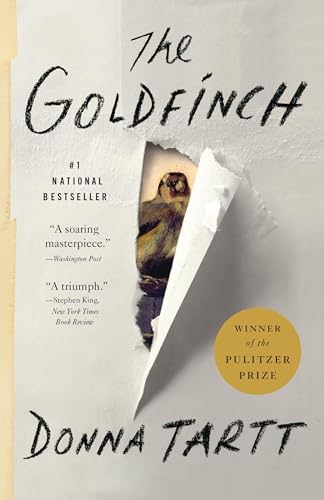
Welcome to my review of ‘The Goldfinch’! Before you run for the hills, let me confess something: I didn’t read this book because it won a Pulitzer, I read it because my friend dared me to survive all 700+ pages without whining. Spoiler: I almost made it. This book has drama, art theft, and more memorable side characters than my last family reunion. I’m here to share the highs, the lows, and a few complaints about the story and writing style. If you’ve ever wondered if a painting could ruin your life, or if a Boris could save your day, stick around—this review’s for you.
In a nutsheel
The Goldfinch is a twisty, thick novel by Donna Tartt. It’s part coming-of-age, part crime drama, and a bit like those family holiday dinners—messy, emotional, and someone always ends up crying (sometimes it’s you, sometimes it’s the characters).
The story follows young Theo Decker, who gets caught in a tragedy that changes his life. He clings to a stolen painting, which drags him into a world full of art, love, loss, and shifty people. Themes like grief, the search for meaning, and the power of art pop up everywhere. Tartt writes about growing up as much as she writes about hanging on when everything falls apart. If you like stories with heart, mystery, and a splash of chaos, this book is for you.
Story and Main Character Development in ‘The Goldfinch’
The first thing you notice about ‘The Goldfinch’ is that this book never wants to be rushed, kind of like your aunt telling a story at family dinner. Donna Tartt spins a wild yarn that follows Theo Decker, a kid who manages to find more trouble in 784 pages than I found in my entire college career. You know a book is serious about character growth when you start worrying about whether Theo is eating enough vegetables.
After a tragic incident at an art museum, Theo’s whole life gets flipped like a pancake on Sunday morning. The story follows him as he makes bad decisions, good decisions, and questionable snack choices, all while dragging around a priceless painting. Theo’s journey from lost boy to, well, slightly less-lost adult, is both heartbreaking and hilarious at times. I found myself rooting for him, yelling at him, and, yes, once even rolling my eyes so hard I thought they’d stick. But that’s why it works—Tartt makes you care.
The supporting cast deserves a round of applause too. Boris, Theo’s troublemaking buddy, reminded me of that friend who could get you arrested at an ice cream parlor. Each character in this book is painted (pun intended!) with messy, vibrant strokes. They all have layers, secrets, and moments where you want to hug or strangle them—sometimes both.
On the downside, some parts felt like watching paint dry, especially when Theo gets stuck in long inner monologues. Still, you can’t fault Tartt for giving her characters room to breathe; just maybe don’t try reading this book in one sitting unless you want numb legs.
If you’re curious if the writing style can keep up with all this drama, stay tuned—the next section is going to spill the tea on that!
How Donna Tartt Balances Words and Speed in The Goldfinch
Let’s talk about the writing style in The Goldfinch. Donna Tartt has a special way with words that makes you stop and stare at the page. She mixes fancy words with simple ones, like a chef making weird but tasty sandwiches. Sometimes, I felt like I was inside an art gallery in New York, other times I felt like a confused little kid lost in a giant shopping mall. The book’s got a voice, and it sticks to its mood like peanut butter to jelly.
The pacing in The Goldfinch is a bit like my attempts at jogging: sometimes I run, sometimes I need to sit and catch my breath. Some parts move so fast I had to flip back to make sure I didn’t miss anything. Other bits felt like Tartt wanted me to really soak in every dust bunny under every sofa. I’ll be honest, there were moments where my mind wandered off to what was in the fridge, but then suddenly something wild happened and I was pulled right back.
The details are everywhere. Tartt’s good at making you see, hear, and sometimes even smell what’s happening. But watch out: if you like things quick, this book might test your patience more than waiting in line for a new iPhone. If you like words that paint pictures, then you’ll love every extra paragraph.
Next up, hold onto your hats—because we’re about to jump into the world of Art and Loss, where paintings are worth more than my entire book collection (and that’s saying something!).
The Goldfinch Book: Art, Loss, and What We Hang On To
When I first read The Goldfinch, I thought, “How much can a bird painting really mean to a person?” Turns out, Carlo, a whole lot. This book explores loss like my fridge explores emptiness after pizza night—relentlessly. But unlike my fridge, art fills a hole in Theo’s life rather than just reminding him of what’s missing. Donna Tartt uses Fabritius’s painting as a symbol for the stuff we cling to after tragedy, like a souvenir from a vacation we never wanted to take.
Every page smacks you with how art and loss tangle together. Theo loses his mom early on, and instead of just breaking, he picks up a teeny painting and pretty much never lets it go. Tartt shows how grief isn’t something you just get over, like a bad haircut. You drag it around, sometimes clutching a painting until it feels like a pet rock. Art becomes Theo’s anchor and his curse. Trust me, I once tried to hide a cheap vase from my cat so many times I forgot where I put it. Theo does that with a priceless Dutch masterpiece!
The goldfinch itself is a fragile bird, chained to its perch, mirroring how Theo feels chained to memories and regret. Tartt doesn’t get all stuffy about art, though. She makes it personal and messy, like real grief. If you’ve ever wondered how a painting can haunt someone longer than overdue library books, this novel nails it.
Now, get ready—I’m about to spill the beans on the wild and wonderful supporting crew.
Unforgettable Sidekicks: Theo’s Crew in The Goldfinch
Let me tell you, “the goldfinch book” does not just have a lonely, broken hero in Theo. This story packs some serious sidekick heat. Remember when you got way too invested in the comic relief in Disney movies? That’s me with these characters. I still dream about Boris showing up at 3am to make me do questionable things (don’t worry, nothing illegal… just weird).
First up: Boris. He’s the kid your parents warned you about… and probably the one you want to hang out with most. Boris is wild, loyal, and has an accent so thick, I needed a glass of water after every conversation. He makes both the book and Theo feel alive, even when things get dark. If Theo is the main course, Boris is the spicy side dish that steals the show.
Then we have Hobie, the soft-hearted furniture restorer. If Boris is a shot of vodka, Hobie is warm milk before bed. Every time Theo visits his workshop, I want to crawl through the pages and nap on an old velvet couch. Hobie brings calm, patience, and a lesson in kindness that makes you forget about the world melting outside.
Other memorable folks like Mrs. Barbour, Pippa, and even the annoying school bullies, all feel real. Tartt doesn’t make cartoon cutouts; she makes people you might meet in the street or at awkward family holidays.
Would I recommend “the goldfinch book” for the supporting cast alone? Absolutely. They are wacky, heartfelt, and unforgettable. If you like your stories with a crowd you can’t stop thinking about, this one’s for you. Just beware: you might end up with a weird crush on Boris. Don’t say I didn’t warn you.
Conclusion
Well, that’s my review of The Goldfinch. Donna Tartt serves up a rich story with deep characters, art, and a whole lotta drama. The book has its slow bits, and sometimes the details will drown you quicker than my cat in a bathtub. But if you love quirky sidekicks like Boris, and you want to read about art, loss, and a main character who can’t catch a break, this one’s for you! Just be sure your arms are strong—the book is a proper doorstopper. I had a lot of fun (and maybe a few headaches) reading it with my pals—so if you like huge stories with heart, give it a go!